When a car loses power on a quiet highway, the first call is usually to a local tow truck. The same phone may ring after a crash, yet the duties, rules, and skills behind each response are very different. This guide explores why a routine recovery and an accident towing service follow separate paths and shows how clear choices protect vehicles, drivers, and the public. By understanding the split, owners, insurers, and repair shops can request the correct help and save both money and time.

Purpose and Legal Framework
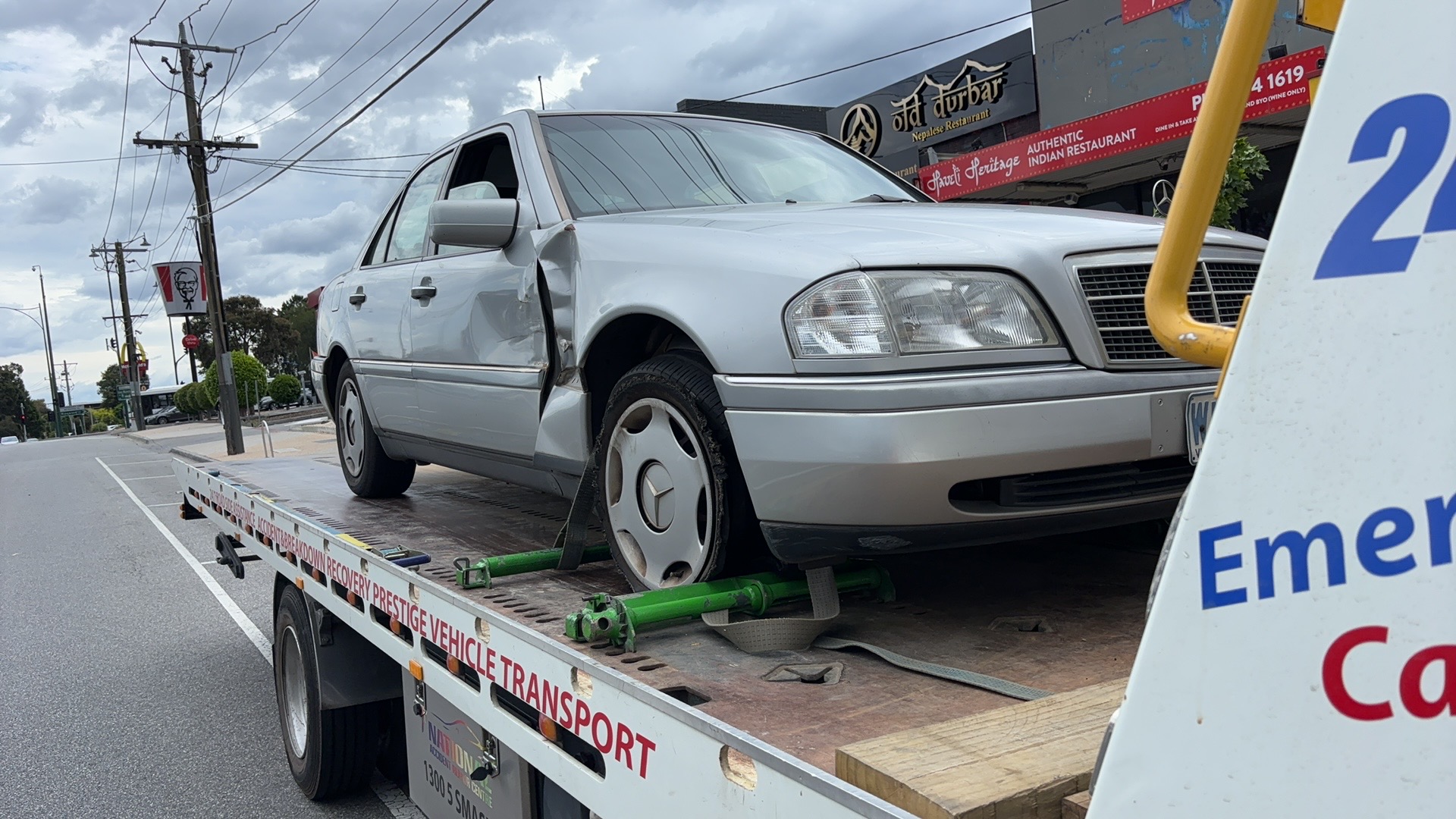
Accident recovery is driven by safety law and public order, while a routine pickup is a private agreement that focuses on convenience and cost. Road authorities demand strict records and police clearance after a crash, but they leave a standard breakdown to the owner and the towing firm. Penalties for mistakes are also heavier in accident work, because each action can affect an insurance claim or an official inquiry. Accident recovery in Victoria sits inside a clear legal frame. The guiding document is the Accident Towing Services Regulations 2019. These rules expand the Accident Towing Services Act 2007 and set strict duty lists for licence holders.Immediate safety and scene control
At a crash site, the tow professional must secure lanes, mark hazards, and clear sharp debris be fore lifting the car. Traffic moves past at close range, so every action follows state road safety codes. The accident towing service team often carries extra cones, fire blankets, and absorbent pads to prevent fuel leaks from spreading. By contrast, a routine pickup at the edge of Box Hill may only need flashing beacons to alert other road users.Insurance and paperwork obligations
Collision recovery firms gather photos, complete authority to tow forms, and log odometer readings that match insurer guidelines. These records prove that the car moved in a straight line from the scene to storage and help resolve disputes later. A typical roadside job has lighter paperwork, often a single invoice and a receipt for keys.Post-incident vehicle handling
After a crash, vehicles travel to an approved holding yard so assessors and police can view damage in its original state. Mechanics may not touch the car until inspection is complete. Regular tows head directly to the driver’s chosen workshop, where repairs can begin at once. The contrast in storage rules has a clear impact on overall cost.Equipment and Training
Both services use tilt trays, chains, and winches, yet accident teams carry more specialised gear and hold higher accreditation.Specialised recovery hardware
Lift frames, under-body dollies, and protective sheeting allow safe removal of cars with locked wheels or severe panel deformation. Routine trucks rarely carry such items because most breakdowns involve intact suspension and rolling tyres.Protective procedures
Operators who attend collisions practise controlled fuel drainage, battery isolation, and glass removal. They work under strict personal safety plans that include flame-resistant clothing and full face shields. A routine roadside call seldom demands this level of protective protocol.Driver accreditation and audits
Crash recovery drivers must pass extra road law tests, maintain medical fitness records, and submit to regular vehicle audits. Routine tow providers follow general transport licensing with fewer inspections.Customer Expectations and Cost Structure
While both services aim for prompt arrival, their price models and client needs differ.Response time and dispatch logic
Emergency dispatch centres track accident units by GPS and radio to reach scenes within minutes, often under police control. Standard calls rely on customer location and fleet availability, so travel time varies.Pricing transparency and limits
State law caps accident fees and sets fixed charges for salvage, storage, and daily holding. Routine towing rates are open market figures that reflect distance, time, and after-hours demand. This open model rewards clear quotes and builds trust in areas such as Box Hill towing and towing Clayton, where competition is strong.Local community coverage
Services that know suburban layouts reduce wait time and limit traffic disruption. Clayton workshops report fewer delays when local trucks handle everyday breakdowns. In the outer east, many drivers rely on the experience of Maningham Towing to coordinate both routine and crash recovery without confusion.