Getting stranded on the side of the road is never part of the plan. Whether you are a daily commuter battling the Monash Freeway or a weekend rider exploring the twists of the Black Spur, a vehicle breakdown throws a serious wrench in your day. When that happens, calling a professional is the obvious solution. But not all tows are created equal.
If you drive a lowered sports sedan, a family SUV, or a custom motorcycle, the standard “hook and chain” method just won’t cut it. Understanding what happens to your vehicle from the moment the tow truck arrives can save you from costly damage and unnecessary stress. Here is a breakdown of what you need to know when you need a tow truck Melbourne residents can rely on, with a specific look at how to handle the unique challenges of two-wheeled transport.
General Towing: It’s Not One-Size-Fits-All
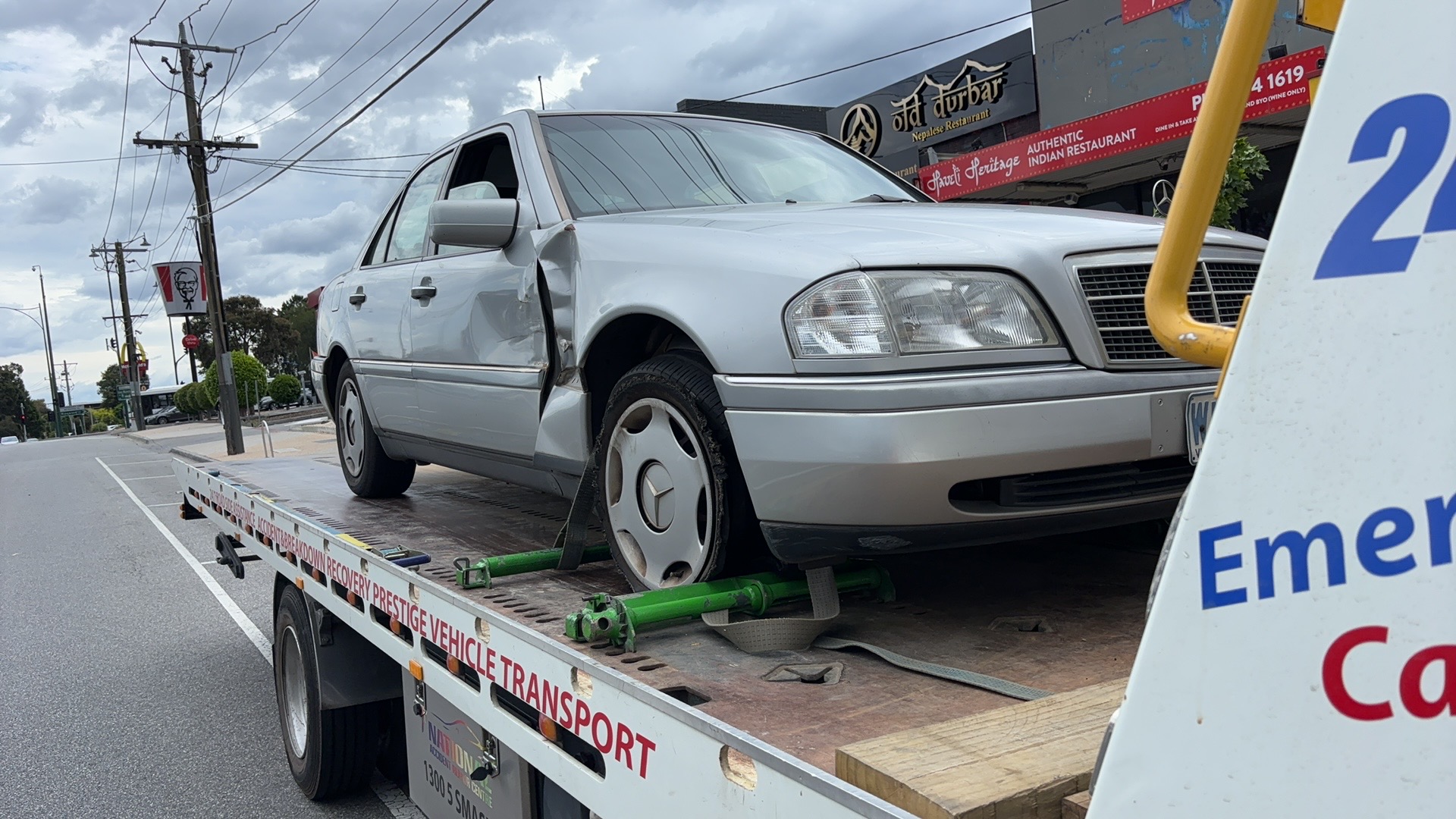
Most people think of towing as simply hooking up a car and dragging it away. In reality, modern towing requires a careful assessment of the vehicle’s condition and specifications. For a standard front-wheel-drive car, a wheel-lift tow truck is often sufficient. This lifts the drive wheels off the ground while the rear wheels roll freely.
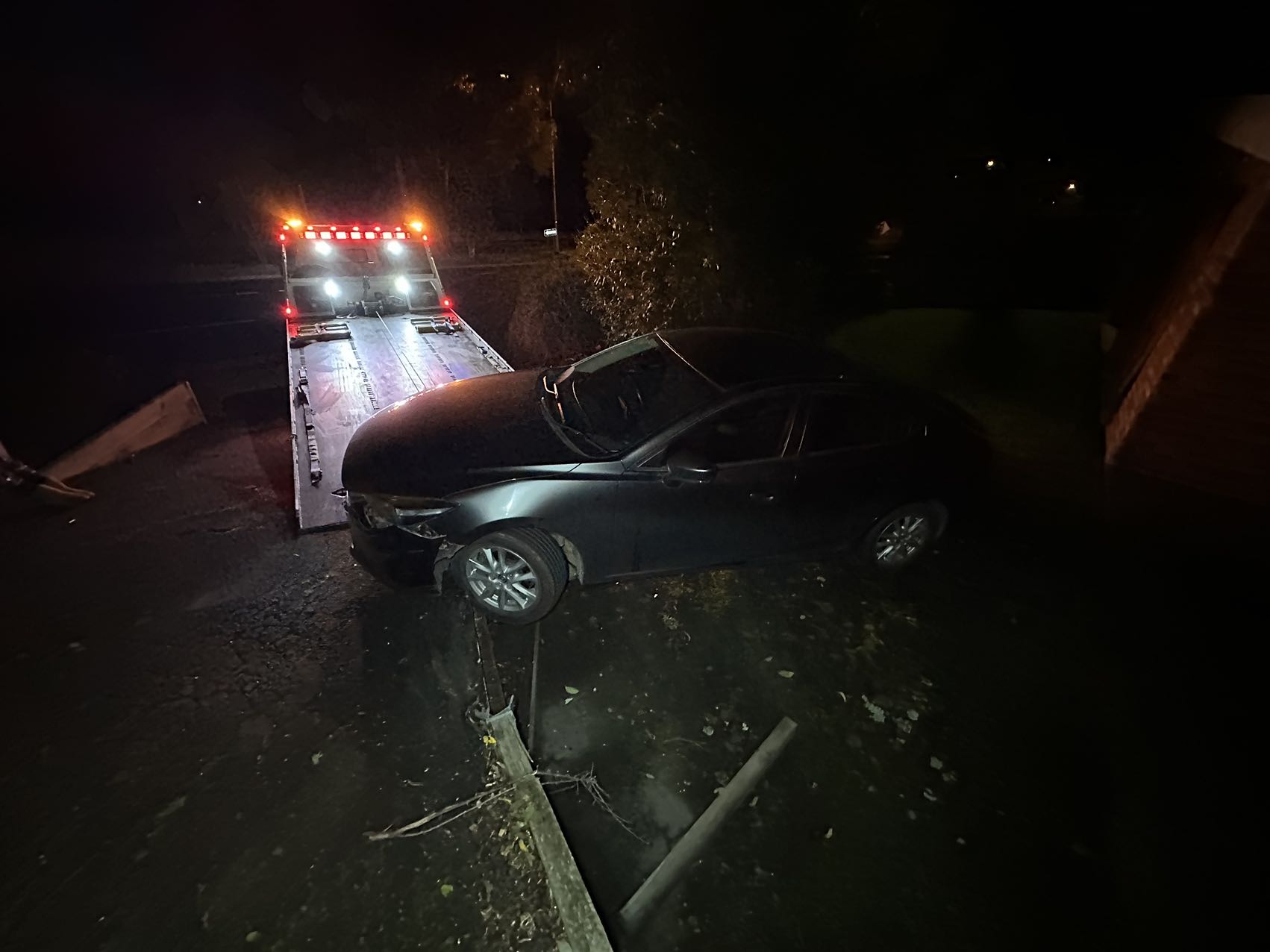
However, the game changes with all-wheel-drive (AWD) or four-wheel-drive (4WD) vehicles. If you tow an AWD vehicle with one set of wheels on the ground, you can cause catastrophic damage to the transmission or transfer case. The drivetrain isn’t designed to spin the internal components without the engine running and proper lubrication. In these cases, a tilt tray (flatbed) is the only safe option. The entire vehicle rides on the truck, ensuring all four wheels are off the ground and the drivetrain remains untouched.
Another common issue involves ground clearance. Lowered vehicles, popular in Melbourne’s car scene, can be damaged by the incline of a standard tow truck ramp. Reputable operators use tilt trays with extended ramps or low-angle approaches to prevent scraping the front bumper or side skirts . If you’ve invested time and money into your vehicle, always confirm the operator has the right gear before they start the winch.
Motorcycle Towing: Why Your Bike Deserves Special Care
Towing a motorcycle is a completely different ballgame. A bike is inherently unstable when stationary and requires a delicate touch. Never let anyone convince you that you can just throw a leg over a broken-down bike and ride it slowly onto a trailer, nor should you accept a service that tries to use a standard sling.
Why improvisation fails
A motorcycle relies on balance. If it leans too far, not only can it fall over and scratch the beautiful paintwork, but fuel can also leak from the tank cap, creating a fire hazard and damaging plastic components . Furthermore, the steering head and fork seals are sensitive to lateral stress. If a bike is tied down by the handlebars rather than the triple tree or frame, you risk blowing out the internal seals or bending components .
The safest method: Flatbed towing
The gold standard for moving a bike is a flatbed tow truck. The operator will use a winch to carefully pull the bike up a ramp onto the flat deck. Once up, the real skill comes in. A good operator will use a wheel chock to lock the front wheel in place. From there, soft straps are used—never chains or hooks that could gouge the frame or swingarm. These straps are typically attached to the lower triple clamps up front and the passenger peg mounts or frame at the rear .
When you search for a motorcycle tow truck, you are looking for a service that carries these specific soft loops and understands how to compress the suspension evenly to prevent the bike from bouncing down the road. The goal is to keep the motorcycle perfectly upright to avoid stress on the kickstand and ensure the fluids stay where they belong.
What to expect in Melbourne
If your bike breaks down in areas like the inner city or the outer suburbs, a professional service should arrive with a tilt tray designed for the job. Expect the operator to take their time assessing the bike before loading it. A rushed job usually means a damaged bike. For short distances, some might use a motorcycle dolly, but for the safety of your machine—especially high-value cruisers or sports bikes—the tilt tray remains the safest bet .
What Separates Good Towing from Bad Towing
Whether it’s a car or a motorcycle, the quality of the service comes down to preparation and equipment. Here are three things to look for when booking a service like Maningham Towing or any other local provider.
1. Licensing and compliance
In Victoria, while trade towing is deregulated, professional operators must still comply with strict road safety and consumer protection laws. A legitimate tow truck will have number plates marked with ‘TT’ or ‘TOW’, indicating it is approved to perform towing functions . If the truck doesn’t have these plates, it’s not the right vehicle for the job. This compliance ensures the vehicle is maintained to a standard that is safe for you and other road users.
2. The right gear for the load
As mentioned, tilt trays are essential for vulnerable vehicles. But it’s also about the small things. Does the driver have soft ties? Do they have blocks to protect air dams on low cars? Do they understand the weight distribution of your specific bike? A fleet equipped with satellite navigation and two-way radios also helps ensure they find you faster, which is crucial when you’re stranded in an unfamiliar or unsafe area .
3. Transparent communication
The moments after a breakdown are stressful. You shouldn’t have to worry about hidden fees. A reputable operator will offer clear, upfront pricing. In Melbourne, towing costs generally include a base call-out fee plus a per-kilometre charge . A good operator will explain this to you before they hook up the vehicle, ensuring there are no surprises when you reach your destination.
Final Thoughts
Your vehicle is more than just a way to get from A to B. It represents freedom, hard work, and personal style. Entrusting it to a tow truck operator requires confidence that they respect that as much as you do. Whether you need a standard recovery for your daily driver or specialised transport for your pride-and-joy motorcycle, the principles remain the same: use the right equipment, handle the vehicle with care, and communicate honestly. The next time you’re in a bind, remember that a professional touch makes all the difference between a minor inconvenience and a major headache.