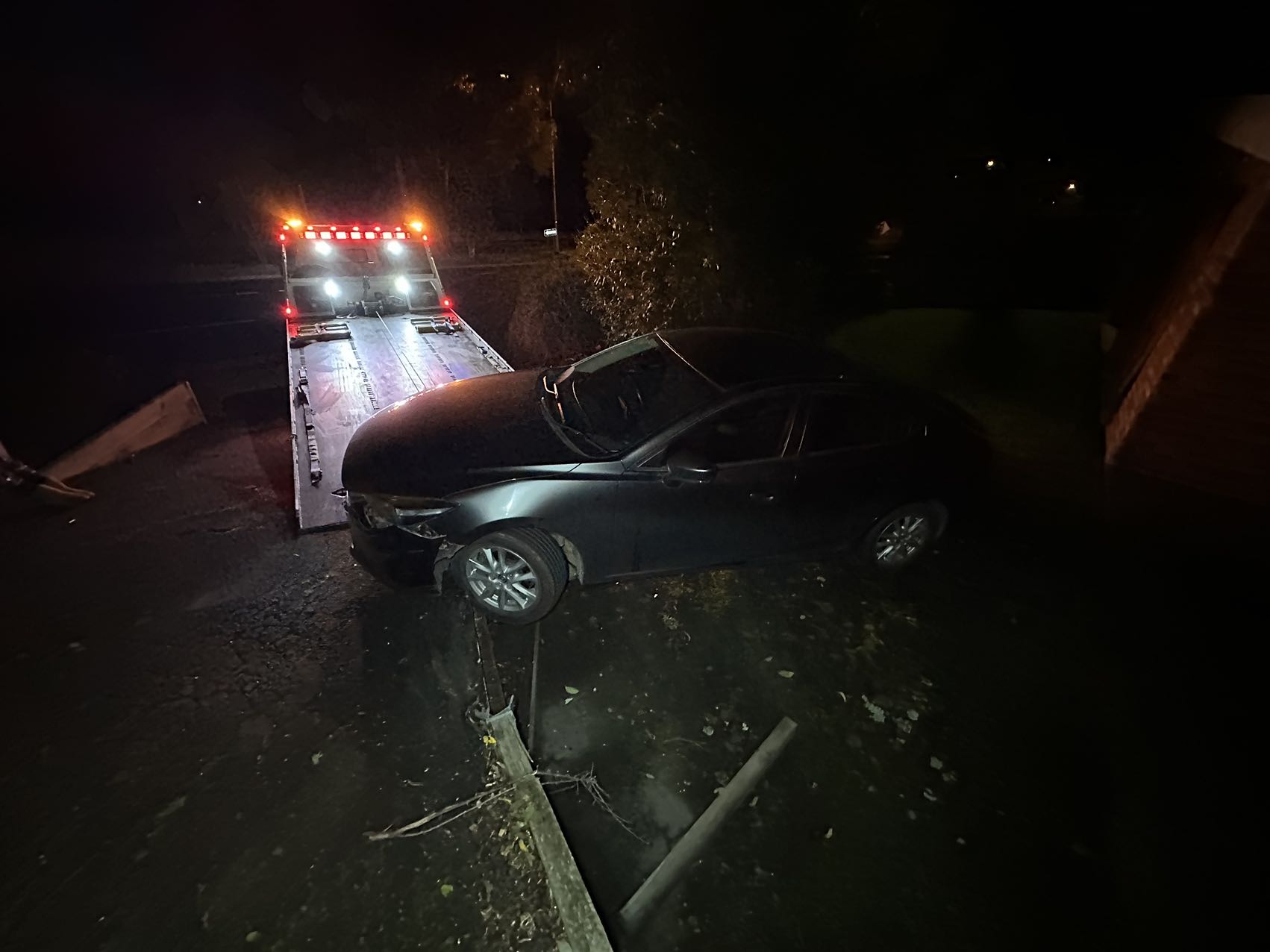
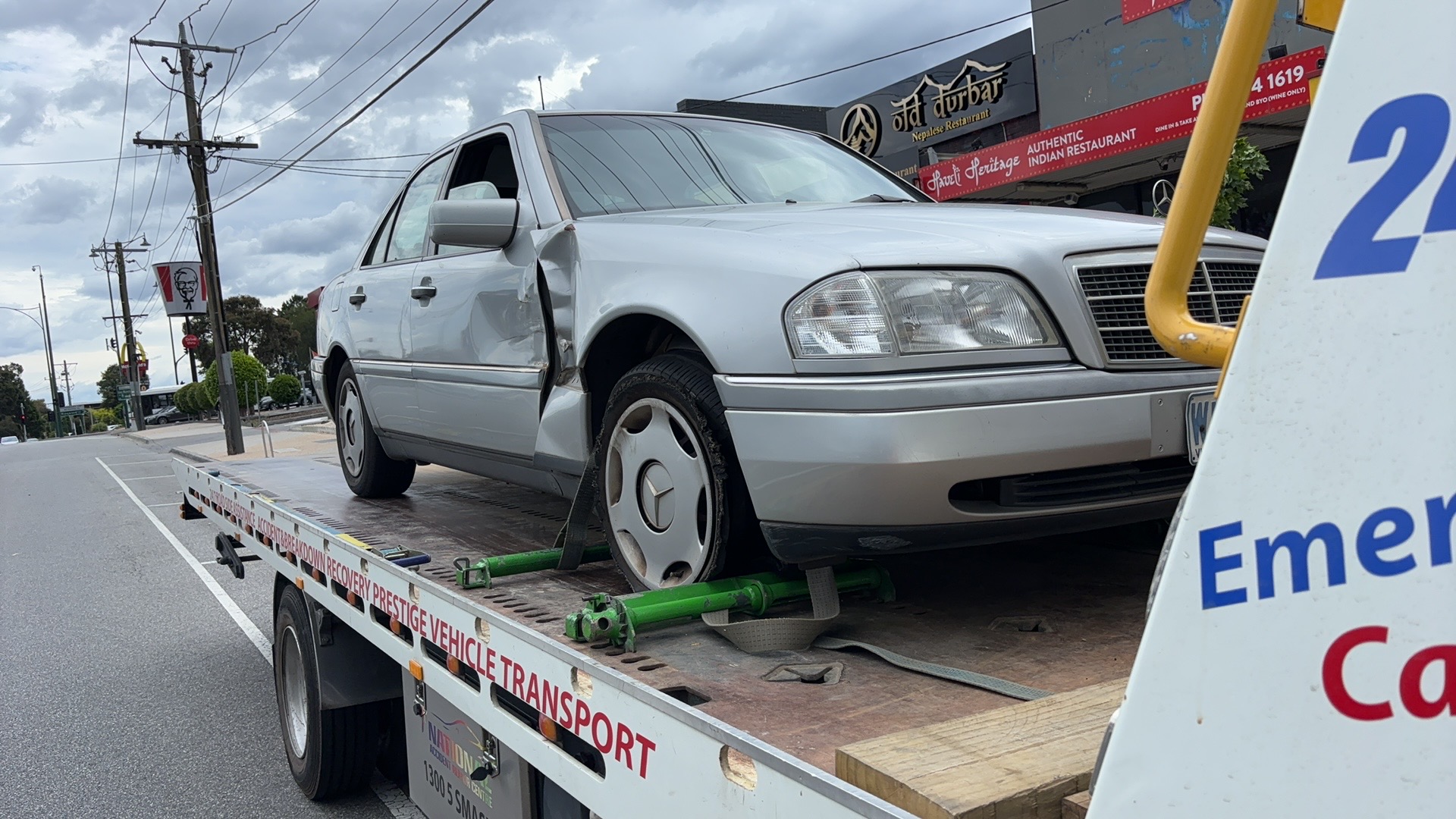
If your car suddenly stops on the side of the road, it is easy to think all towing is the same. A truck turns up, your car goes on the back, and you get it moved somewhere safe. But in Melbourne, there is an important difference between accident towing and breakdown towing.
Knowing the difference can save you stress, help you understand your rights, and stop you from making the wrong call when you are already dealing with a bad day.
What is accident towing?
Accident towing is used when a vehicle has been damaged in a road accident or crash and needs to be removed from the scene. This could be a rear-end collision, a side impact, a multi-car crash, or a vehicle that is no longer safe to drive after hitting another object.
In metropolitan Melbourne, accident towing is regulated. That means there are rules around who can provide the service, how the tow is authorised, and what can be charged for certain vehicles.
For example, Transport Victoria lists regulated accident tow truck charges for vehicles under four tonnes in metropolitan Melbourne. The current base charge is $279.10, which includes the first 8 kilometres. Extra distance is charged per kilometre, and an after-hours fee can also apply.
This is why accident towing is not always something you can treat like a normal call-out. At an accident scene, paperwork, authorisation, safety, debris removal, and storage can all come into play.
If you are dealing with a crash, it is worth checking the official Transport Victoria page on accident tow truck charges so you understand what the regulated fees cover.
What is breakdown towing?
Breakdown towing is different. This is when your car has not been involved in a crash but cannot continue driving safely. Common examples include a flat battery, engine failure, overheating, a blown tyre, transmission trouble, fuel problems, or electrical issues.
Unlike regulated accident towing in metropolitan Melbourne, breakdown towing is generally a trade towing service. That means prices can vary depending on the operator, time of day, distance, vehicle type, access, and where you want the vehicle taken.
For someone searching for car towing melbourne, this is usually the service they need. The car has stopped, but there is no crash scene to manage. In many cases, the goal is simple: move the vehicle from the roadside, driveway, car park, or workshop to a mechanic, home address, dealership, or storage location.
Quick comparison: accident towing vs breakdown towing
| Situation | Accident towing | Breakdown towing |
|---|---|---|
| Main reason | Vehicle damaged in a crash | Vehicle has mechanical or electrical failure |
| Typical location | Road accident scene | Roadside, home, car park, workplace, workshop |
| Pricing | Regulated in metropolitan Melbourne for certain vehicles | Usually set by the towing operator |
| Authorisation | Often requires an authority to tow | Usually arranged directly by the vehicle owner |
| Safety concern | Crash site, traffic, debris, damaged vehicle | Disabled vehicle, roadside risk, access issues |
| Common destination | Repairer, insurer-approved location, depot or storage yard | Mechanic, home, dealership or chosen repairer |
Why the difference matters for drivers
The difference matters because the situation around the car is different.
With a breakdown, you normally have more choice. You can call a trusted tow truck melbourne provider, ask for a quote, confirm the destination, and decide what works best. You may also have time to speak with your mechanic or roadside assistance provider before booking the tow.
With an accident, the scene can be more controlled. Police, emergency services, insurers, other drivers, and road clearance may all be involved. If the vehicle is blocking traffic or unsafe to drive, it may need to be moved quickly. You should still understand what you are signing and where the vehicle is being taken.
A simple rule is this: if the vehicle has been damaged in a crash, treat it as accident towing. If the vehicle has simply failed or will not start, it is more likely breakdown towing.
What should you do after an accident?
First, make sure everyone is safe. Move away from traffic if you can. Call emergency services if anyone is injured, if the road is blocked, or if there is a dangerous situation.
Next, avoid rushing into a decision. Check the tow truck details, ask where your car will be taken, and read the authority to tow before signing. If your insurer needs to be involved, contact them as soon as practical.
You should also remove valuables from the vehicle if it is safe to do so. Take photos of the car, the scene, and any visible damage. These small steps can make the insurance and repair process easier later.
What should you do after a breakdown?
For a breakdown, safety still comes first. Pull over as far left as practical, turn on your hazard lights, and stay clear of moving traffic. On freeways or busy roads, it may be safer to get out of the vehicle and stand behind a barrier if one is available.
Before booking a tow, think about where the car should go. Do you have a regular mechanic? Is the vehicle under warranty? Does it need to go to a specialist? Giving clear destination details helps avoid extra time and cost.
If you need local help around suburbs such as Clayton, Doncaster, Box Hill or nearby areas, Maningham Towing can be a useful service page to connect drivers with location-based towing support.
Safety around tow trucks in Victoria
There is another important rule drivers should know. In Victoria, drivers must slow down to 40km/h when passing stationary or slow-moving emergency, incident response, roadside assistance and towing vehicles with flashing lights or an alarm sounding.
This rule now includes accident towing and breakdown towing vehicles. It is designed to protect roadside workers and drivers during stressful and often dangerous situations.
So if you see a tow truck on the roadside, slow down early, pass carefully, and do not speed up again until you are safely past the scene.
Common mistakes to avoid
One common mistake is asking for the cheapest tow without explaining the situation. A crash-damaged car, a lowered vehicle, a locked steering wheel, underground car park access, or a long-distance tow can all change the job.
Another mistake is not confirming the destination. If your car is taken to the wrong repairer or storage yard, you may face extra towing or storage costs later.
Drivers also sometimes confuse roadside assistance with towing. Roadside assistance may fix a minor issue on the spot, such as a battery or tyre problem. But if the car cannot be safely driven, towing is still needed.
Final thoughts
Accident towing and breakdown towing both help move vehicles safely, but they are not the same service. Accident towing usually involves a crash, regulated rules, authorisation and possible storage. Breakdown towing is more about getting a failed vehicle to a repairer or safe destination.
If you are stuck on the road, the best choice is a towing team that explains the process clearly, gives practical advice, and helps you move the vehicle without making the situation harder.
If your situation is not a crash or breakdown, but your vehicle has been removed from a clearway, tow away zone, or council-controlled area, the process is different again. We have also prepared a practical guide on Melbourne towed and impounded vehicles, including what to check first, current release fees, and what to do before collecting your car. Need help now? Contact 24/7 Car Towing for fast, reliable towing across Melbourne.