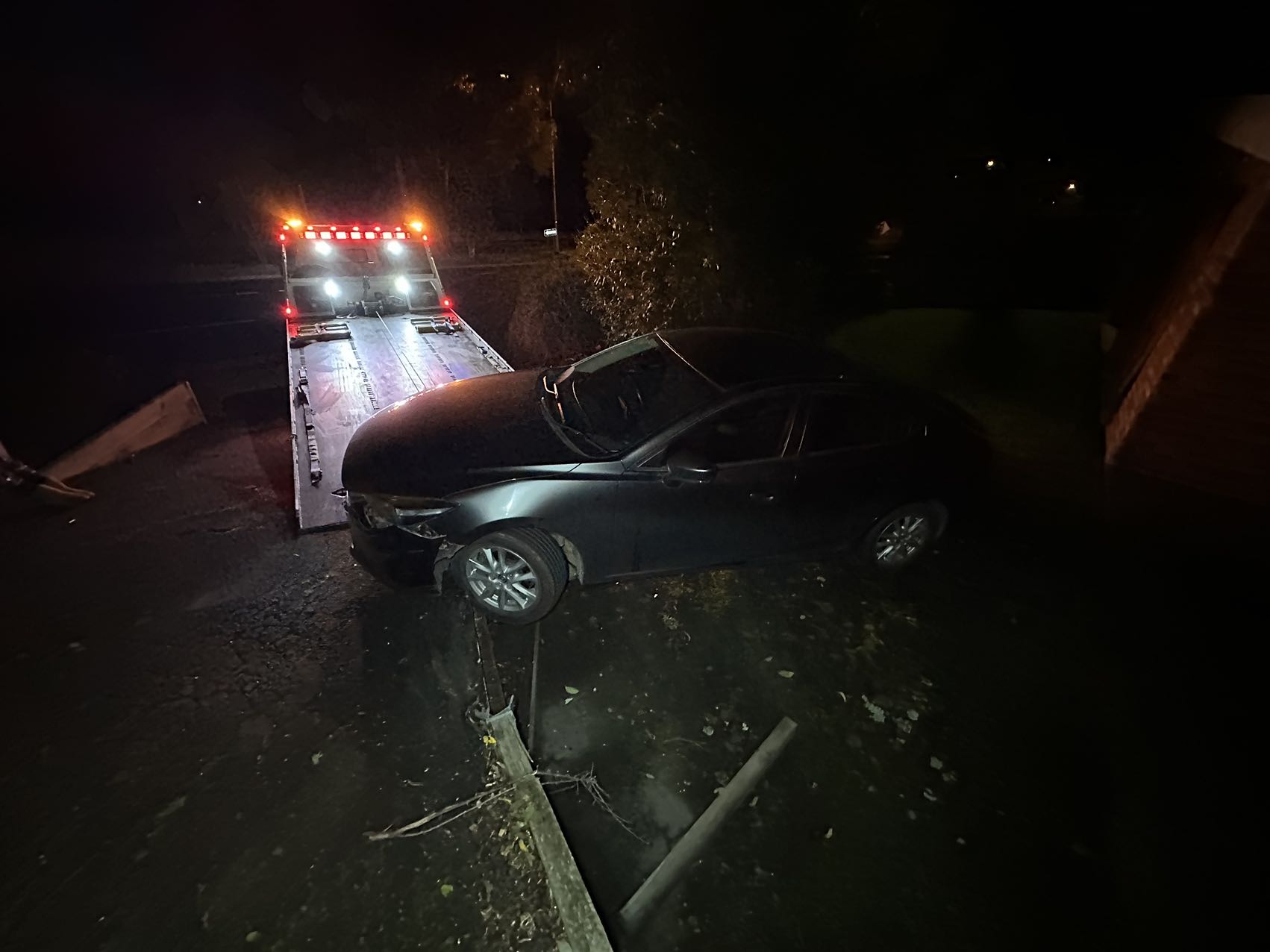
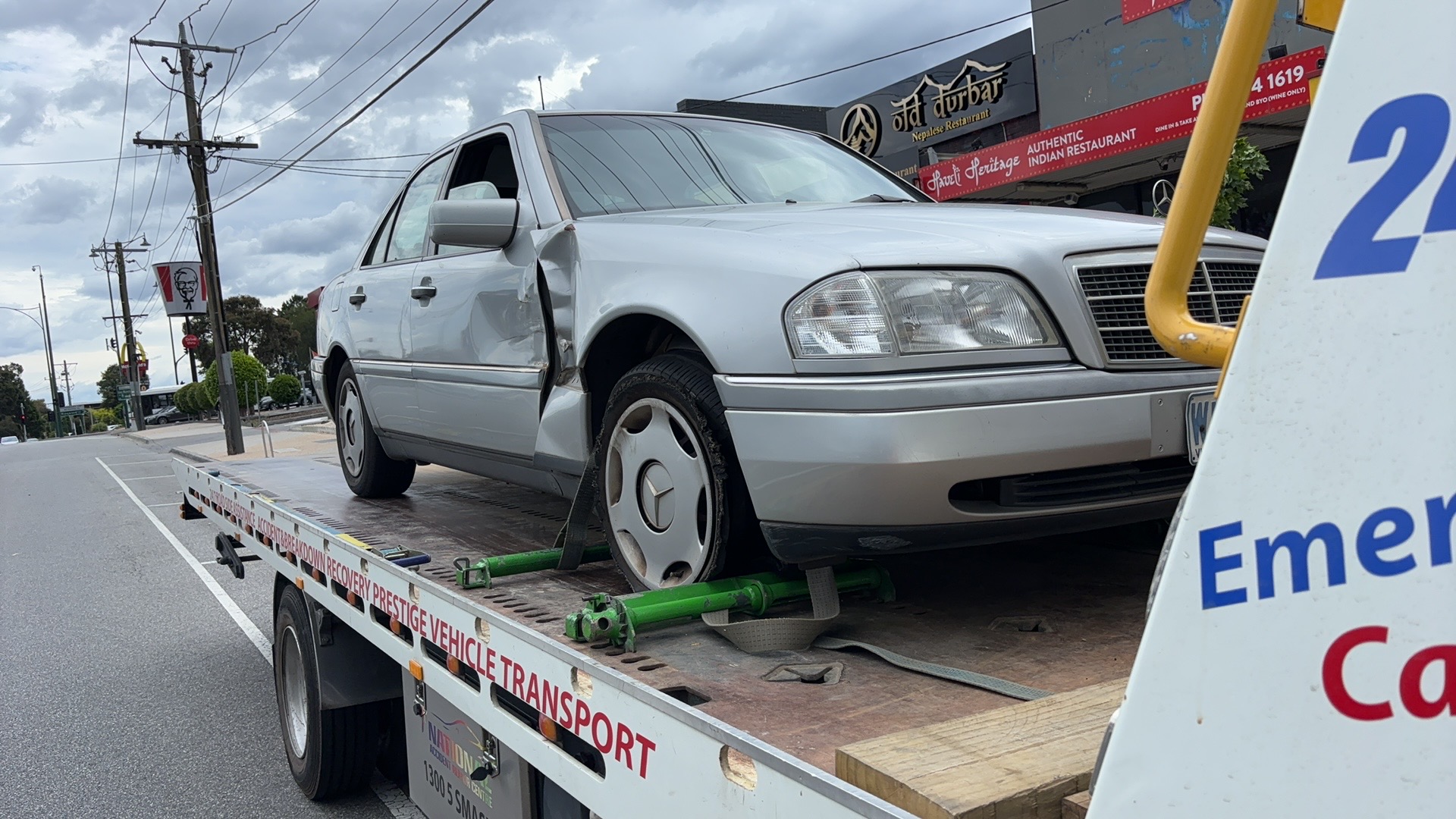
If you drive in Victoria, there is one road rule that is easy to miss but very important: when you see flashing lights on the roadside, you may need to slow down to 40km/h. This is Road Rule 79A, and since 1 July 2025, it has applied not only to emergency vehicles, but also to tow trucks, breakdown support vehicles, roadside assistance vehicles and incident response vehicles.
For everyday drivers, this rule matters most during stressful moments: a crash on the Monash Freeway, a flat battery in Doncaster, a breakdown on a busy arterial road, or a tow truck loading a damaged car after an accident. Slowing down is not just about avoiding a fine. It gives roadside workers enough space to do their job safely.
What Is Road Rule 79A in Victoria?
Road Rule 79A requires Victorian drivers and riders to slow down to 40km/h when passing certain vehicles that are stationary or moving slower than 10km/h and displaying flashing lights or sounding an alarm. Transport Victoria confirms that this includes emergency vehicles, enforcement vehicles, tow trucks, breakdown support, roadside assistance, incident response services and escort vehicles. The rule applies to all roads, including freeways.
The rule was first introduced in 2017 for emergency and enforcement vehicles. From 1 July 2025, it was expanded to include accident towing, breakdown towing, roadside assistance and all incident response service vehicles. The Victorian Government said the change followed a review into the scope of the rule, compliance, penalties and safety benefits.
For drivers looking for car towing Melbourne, this rule is especially relevant because many towing jobs happen in live traffic conditions. The tow truck driver may be working only metres from passing vehicles.
When Do You Need to Slow Down?
You must slow down when the roadside vehicle is stopped or moving at less than 10km/h and has flashing lights or an alarm. The lights may be red, blue, magenta or yellow. That means a yellow flashing tow truck light still counts.
Here is a simple guide:
| Situation | What You Should Do |
|---|---|
| Tow truck stopped on the roadside with flashing yellow lights | Slow down to 40km/h and pass safely |
| Roadside assistance vehicle changing a tyre | Slow down to 40km/h |
| Accident scene with police, ambulance and tow trucks | Slow down to 40km/h and be ready to stop |
| Tow truck in a service lane or on a dividing strip | Still slow down if the rule applies |
| Opposite side of the road separated by a median strip | You usually do not need to slow to 40km/h |
Transport Victoria also says drivers should check the rear-view mirror first, slow down safely, pass the scene at 40km/h, and only return to the normal speed limit once they are a safe distance from the scene.
Why Tow Trucks Were Added to the Rule
Tow truck drivers often arrive after the first shock of a crash or breakdown. The hazard is still there: damaged vehicles, loose debris, stressed drivers, passengers standing nearby, oil or coolant on the road, and traffic trying to squeeze past.
RACV noted that from 1 July 2025, the updated rule included accident towing vehicles, breakdown towing services, roadside assistance operators, and incident response vehicles such as those used by Peninsula Link, EastLink and Transurban. RACV also stated that non-compliance may result in a maximum fine of $961.
This is why choosing a reliable tow truck Melbourne service is not only about price or arrival time. A good operator needs to manage the scene carefully, position the truck correctly, use warning lights properly, communicate with the driver, and load the vehicle without adding risk to passing traffic.
What Drivers Should Do Near a Tow Truck
The best approach is simple: notice early, slow smoothly and give space. Do not brake suddenly unless you have to, especially on freeways or wet roads. Check mirrors, ease off the accelerator, and move over only if it is safe.
If you are the driver waiting for a tow truck, your priority is also safety. Turn on your hazard lights, move away from traffic if possible, and avoid standing between your car and moving vehicles. If the car is on a freeway shoulder, it is often safer to stand behind a safety barrier rather than next to the vehicle.
If your vehicle has been involved in a crash, accident towing may be required to remove the vehicle safely. In that situation, do not try to repair or move the vehicle yourself unless emergency services or police tell you it is safe.
Common Mistakes Drivers Still Make
One common mistake is assuming the rule only applies to police, ambulance or fire vehicles. That is no longer correct in Victoria. Tow trucks and roadside assistance vehicles are now included when the rule conditions are met.
Another mistake is slowing down too late. By the time you are beside the tow truck, it is already too late to create a safer work zone. The right thing is to reduce speed as soon as you see the flashing lights ahead.
Some drivers also think the rule only applies on suburban roads. Transport Victoria makes clear that it applies on all roads, including freeways. This matters around Melbourne because breakdowns and crashes often happen on high-speed routes such as the Eastern Freeway, Monash Freeway, M80 Ring Road and major roads through Box Hill, Clayton, Doncaster and surrounding suburbs.
What This Means for Melbourne Drivers
Road Rule 79A is not just a technical road rule. It changes how drivers should behave around roadside incidents. Whether you are passing a tow truck, waiting for roadside help, or calling a tow truck Melbourne provider after a breakdown, the goal is the same: keep everyone away from unnecessary danger.
For towing operators, the rule gives workers a better chance of doing the job safely. For drivers, it gives a clear instruction: see flashing lights, slow down, stay alert and pass with care.
Need a Tow Truck in Melbourne?
If your car has broken down, been damaged in an accident, or needs safe transport across Melbourne’s south east, Maningham Towing is available 24/7. Call 0422 701 118 for fast, reliable towing support and clear advice before your vehicle is moved.