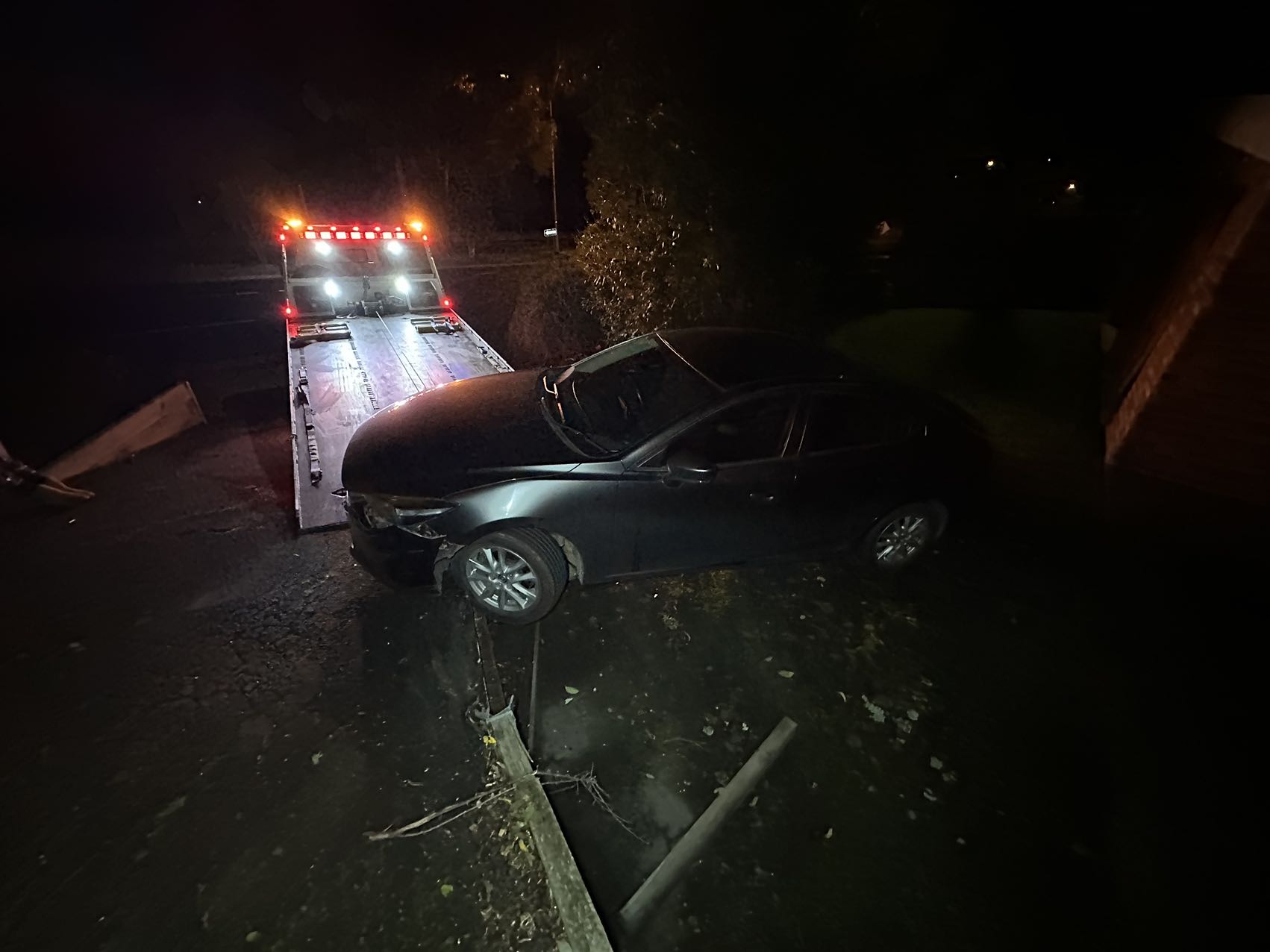
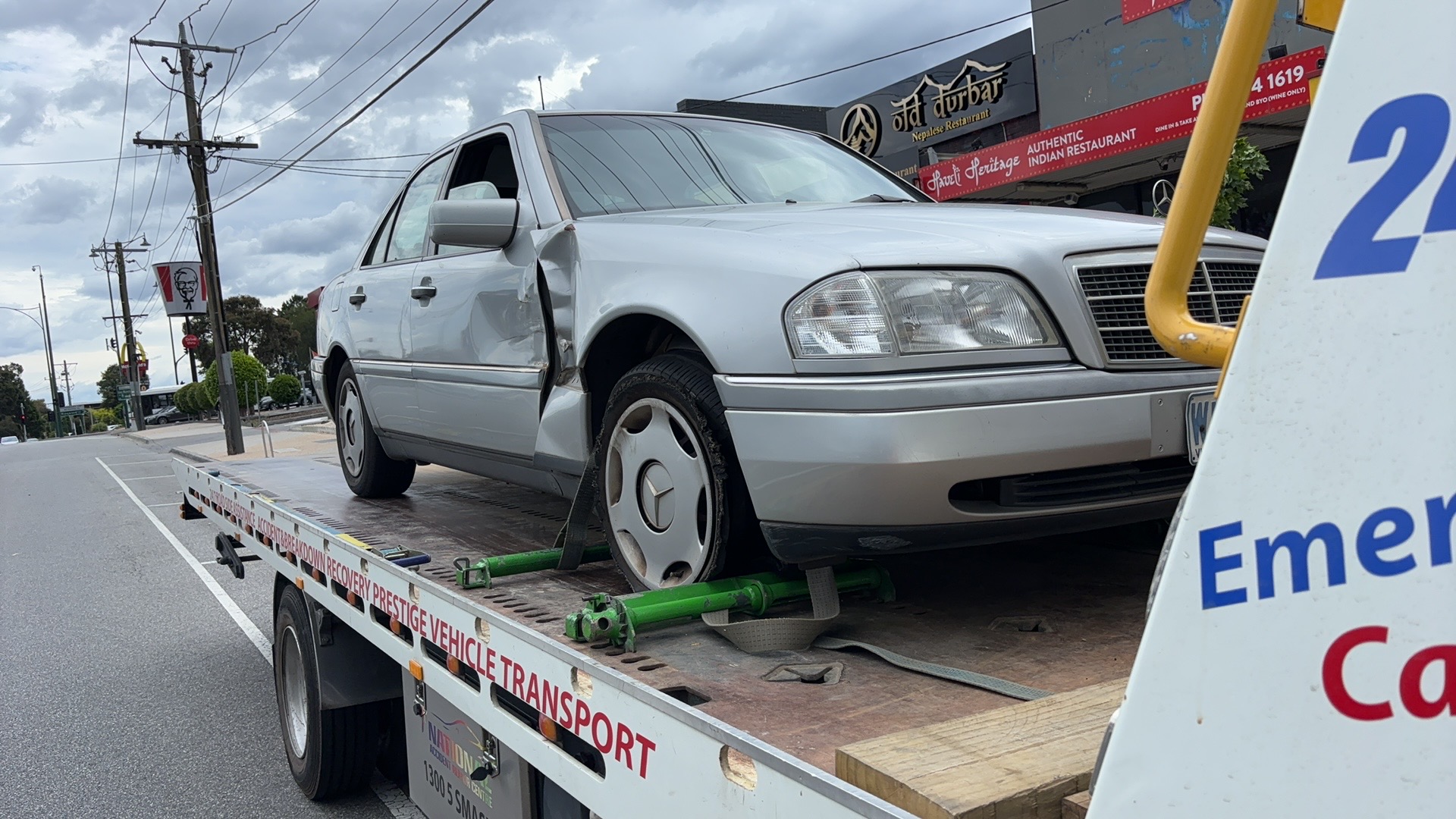
Accident towing in Victoria is facing a real cost squeeze. The issue is not only about what drivers pay after a crash. It is also about whether towing operators can keep trucks on the road, staff available and response times steady when accidents block busy roads.
In March 2026, Victoria updated regulated accident towing charges. The base fee for accident damaged vehicles under 4 tonnes in a controlled area became $279.10, with $4.40 per kilometre after the first 8 kilometres and a $95.20 after hours surcharge. These figures are listed in the Victorian Government Gazette, which is a useful source for drivers who want to understand how regulated fees are set.
For towing operators, the concern is that a small fee rise does not always match the real rise in fuel, wages, insurance, truck repairs, depot costs and compliance. Unlike many service businesses, accident towing operators in controlled areas cannot simply lift prices whenever costs rise.
That is why the conversation matters for everyday drivers using car towing melbourne. The more pressure placed on operators, the harder it can become to maintain fast and reliable service across Victoria.
How regulated accident towing works in Victoria
Accident towing is different from general breakdown towing. If your car breaks down at home, at work or in a car park, you can usually call a provider, request a quote and choose where the vehicle goes.
After a crash, the situation is more controlled. In many areas, accident towing fees are set by government rules. The aim is to protect drivers during a stressful moment and prevent unfair pricing at an accident scene.
That protection is important, but it also means towing businesses have less room to respond when operating costs rise quickly.
What the 2026 fee setting shows
| Item | 2026 regulated amount |
|---|---|
| Base accident towing fee | $279.10 |
| Distance included | First 8 kilometres |
| Extra distance fee | $4.40 per kilometre |
| After hours surcharge | $95.20 |
| Car storage under cover | $31.60 per day |
| Car storage in locked yard | $21.40 per day |
These charges may look clear on paper, but the job behind them is often messy. A tow truck may be delayed by traffic, police attendance, unsafe road conditions or a vehicle that cannot roll properly. The driver may need to manage a damaged car, fluid leaks, broken suspension or blocked access.
Why a small fee rise can still feel too low
A tow truck is not cheap to run. Fuel is only one part of the cost. Operators also need qualified drivers, proper insurance, safe storage yards, vehicle maintenance, admin systems and compliant equipment.
A crash job can take longer than expected. The truck may travel to the scene, wait for clearance, load the vehicle carefully, deliver it to a repairer or storage yard and complete paperwork. When costs rise faster than regulated fees, each job can become less viable.
This is where industry pressure begins. If operators reduce fleet size, delay upgrades or leave the sector, drivers may face longer wait times.
What cost pressure means for Melbourne roads
Accident towing does more than move damaged cars. It helps clear roads, reduce congestion and restore traffic flow. When a vehicle is stuck in a lane after a crash, every extra minute can affect commuters, emergency services, delivery vehicles and nearby businesses.
For people searching for a tow truck melbourne, price is only one part of the decision. Reliability matters just as much. A low price is not useful if the truck is not available when the road is blocked and the vehicle needs careful handling.
Longer wait times can affect everyone
When towing capacity drops, the impact is wider than the driver involved in the accident. A delayed tow can mean longer lane closures, greater traffic buildup and more risk around the crash scene.
This is especially important in Melbourne, where congestion can build quickly during peak travel periods. A single damaged vehicle on a main road can slow hundreds of other drivers.
Accident towing needs trained operators
Crash recovery is not the same as moving a parked car. A damaged vehicle may have locked wheels, broken steering, leaking fluids or airbags deployed. The driver may be shaken and unsure what to do next.
A professional operator needs to manage the vehicle, the scene and the customer. Good communication is part of the service. The driver should explain where the car is going, what may happen next and what details the owner should keep for insurance.
How drivers can prepare before they need help
Most people only think about towing after something has already happened. That is understandable, but a little preparation can reduce stress.
Keep your insurer details handy and check whether your policy includes towing after a collision. Save the contact details of a reliable local provider, and ask where the vehicle will be taken before signing an authority to tow. It is also worth understanding how the base fee, additional kilometres, after-hours surcharge and storage charges can affect the final accident towing cost. Knowing these details before a stressful situation makes it easier to review the invoice and speak with your insurer.
For routine vehicle issues, you can still choose your preferred provider and request pricing before booking. For crash related work, the rules may be different depending on where the accident occurs.
When you need accident towing, the safest choice is a provider that communicates clearly and handles damaged vehicles with care. Maningham Towing supports Melbourne drivers with practical towing help, clear service information and careful vehicle transport. Cost pressure also becomes more obvious when a crash happens on a major road. Large freeway accidents can involve lane closures, debris removal, emergency services and longer recovery times, which all affect how quickly a vehicle can be moved. We explain this in more detail in our guide to freeway accidents and why tow truck wait times can be longer in Melbourne. Accident towing costs are under pressure because the work is essential, the pricing is regulated and the cost of staying available keeps rising. For drivers, the main takeaway is simple. Reliable towing is not just about moving a car. It is part of keeping roads safer, clearer and less stressful after a crash.